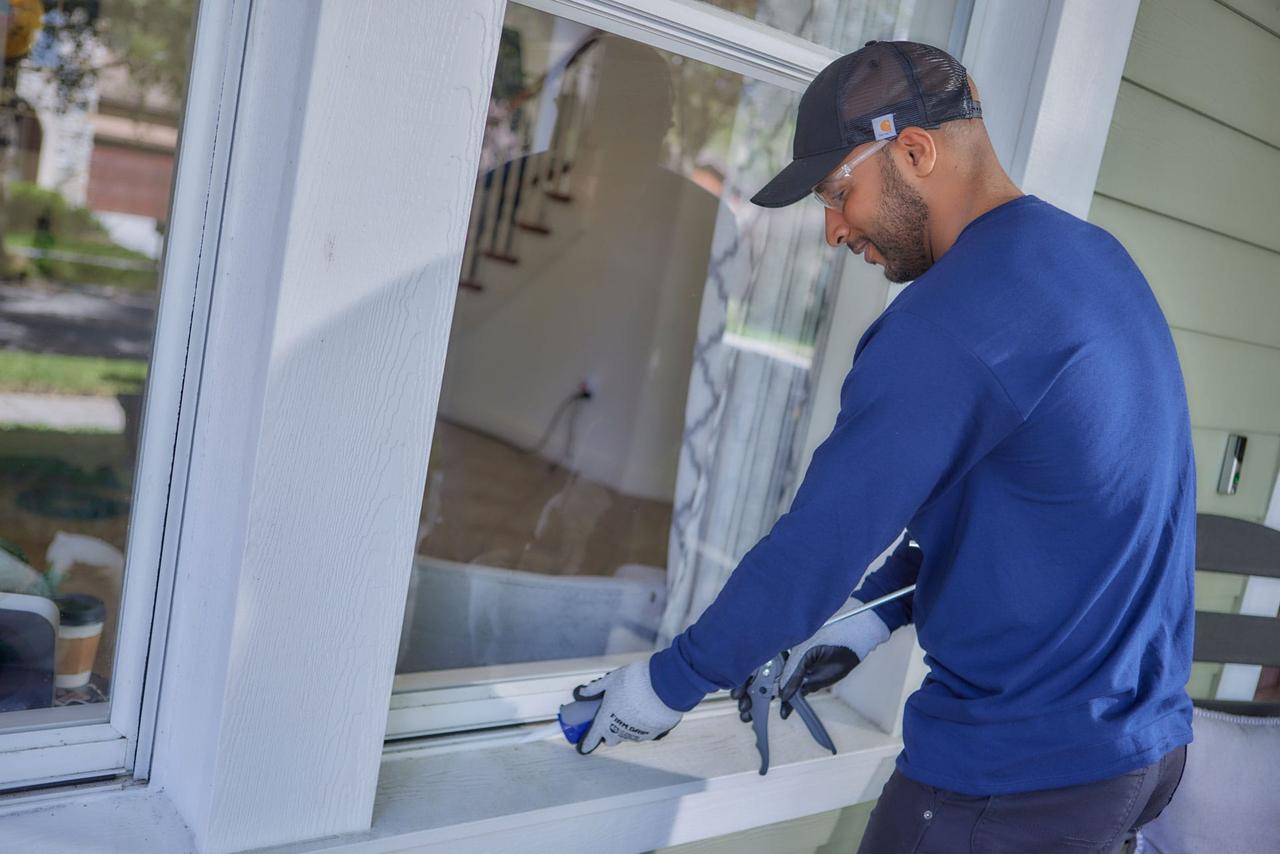
Renuity installs vinyl replacement windows across Connecticut. Each window is built to the exact size of the opening it replaces, so there are no gaps and no filler material required. The glass is multi-pane insulated glass with a low-emissivity (Low-E) coating that slows heat transfer in both directions.
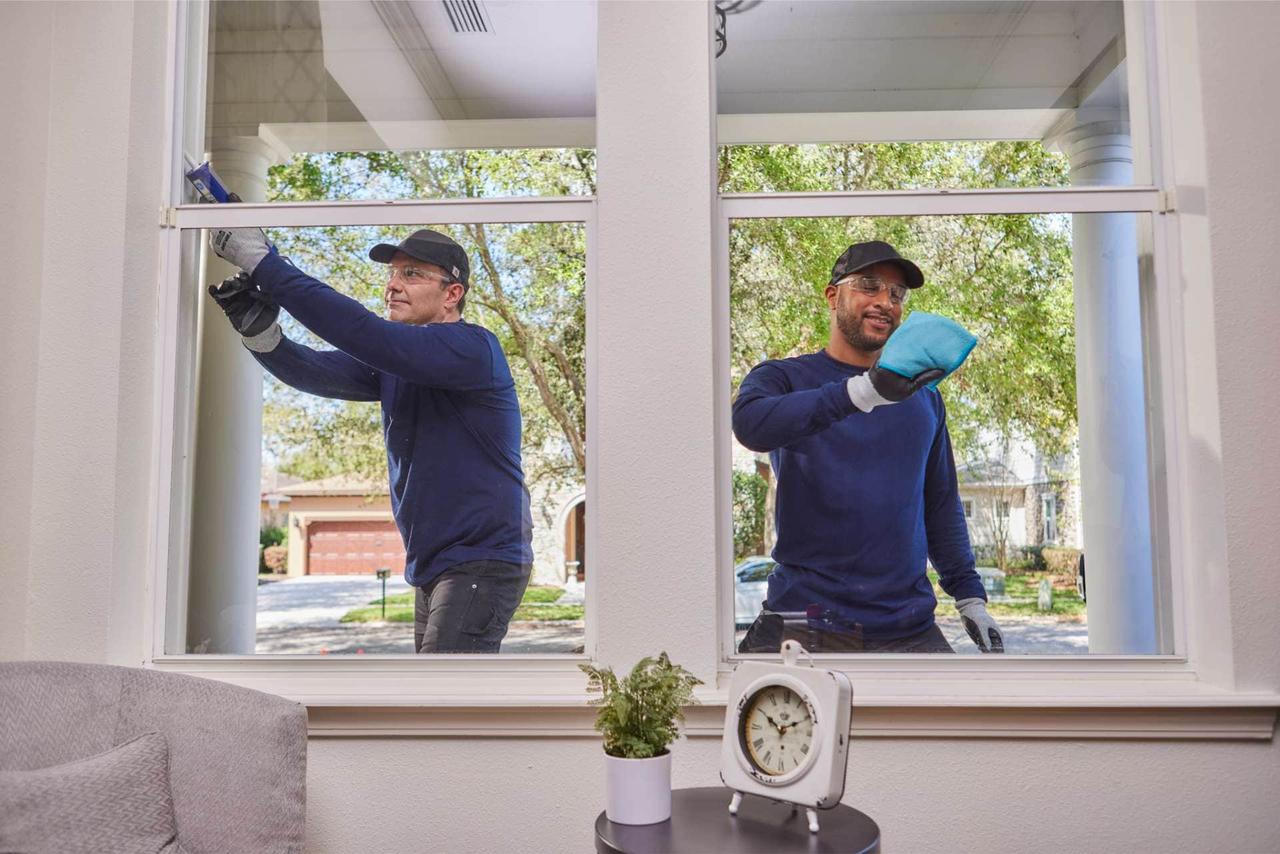
Every project starts with a free in-home consultation. A specialist measures each opening, reviews style and glass options with you, and provides a full quote before any work begins. Installation is handled by licensed and insured crews.
Connecticut winters are cold enough that older, poorly insulated windows add directly to your heating bill. In summer, the state's humidity causes wood window frames to absorb moisture and swell. Over years of that seasonal cycle, swelling and shrinking shifts a wood frame slightly out of square. The visible results are a sash that sticks in summer, a lock that will not seat in January, or a gap around the perimeter that will not seal even after new weatherstripping. Vinyl replacement windows hold their shape through the same seasonal cycles, which fixes the underlying problem rather than working around it.
Our overview of windows covers frame styles, glass packages, and ventilation options. Our window replacement page explains how full-frame projects are staged from measurement through installation.
Areas in Connecticut we serve
Renuity serves homeowners throughout Connecticut. The cities listed here represent a few areas where we are currently active, and our service area continues to grow. Not sure if we serve your location? Give us a call and we will let you know.
- Bridgeport
- Hartford
- New Haven
- Stamford
- Waterbury
- Windsor
Window styles available for Connecticut homes
Each style is built to the exact dimensions of the opening it replaces. The right choice depends on what each room needs: ventilation, thermal performance, sight lines, or egress compliance.
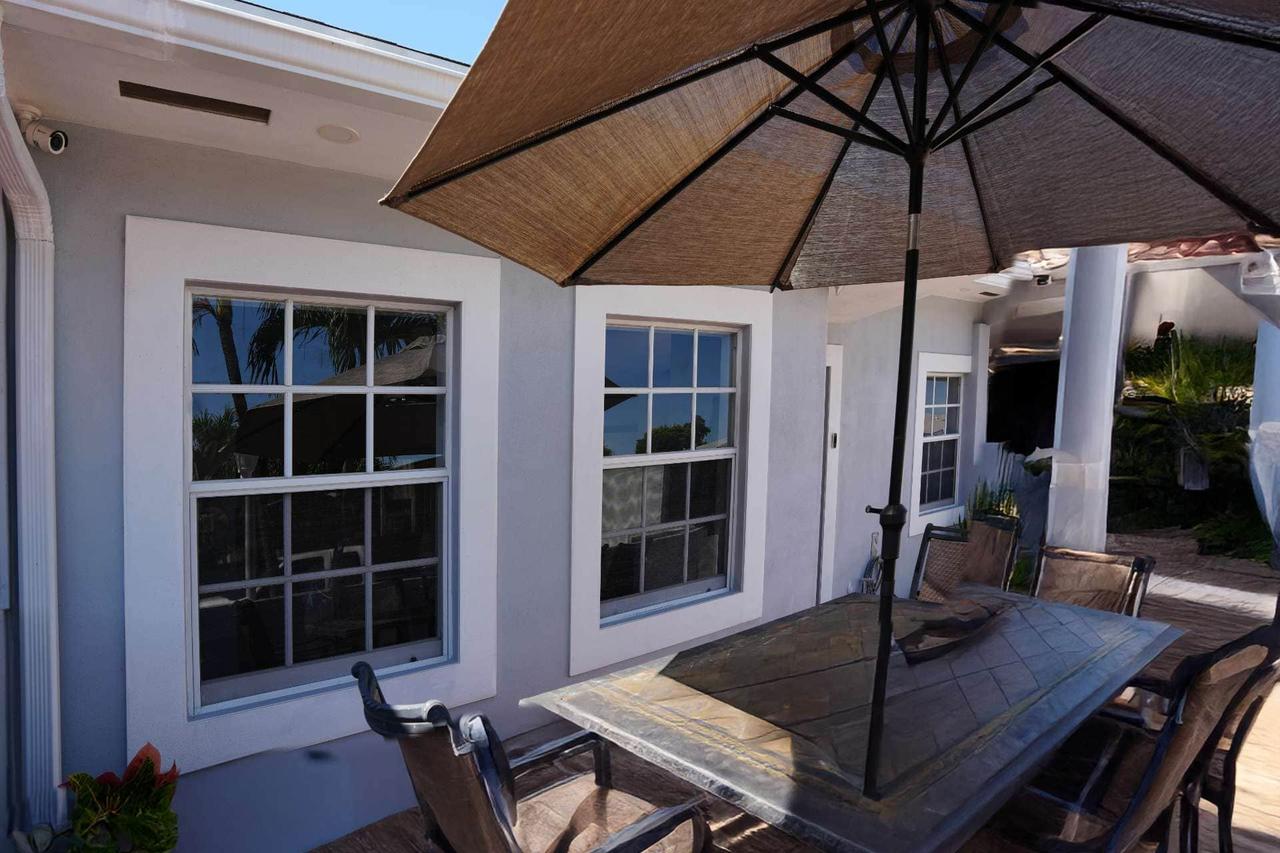
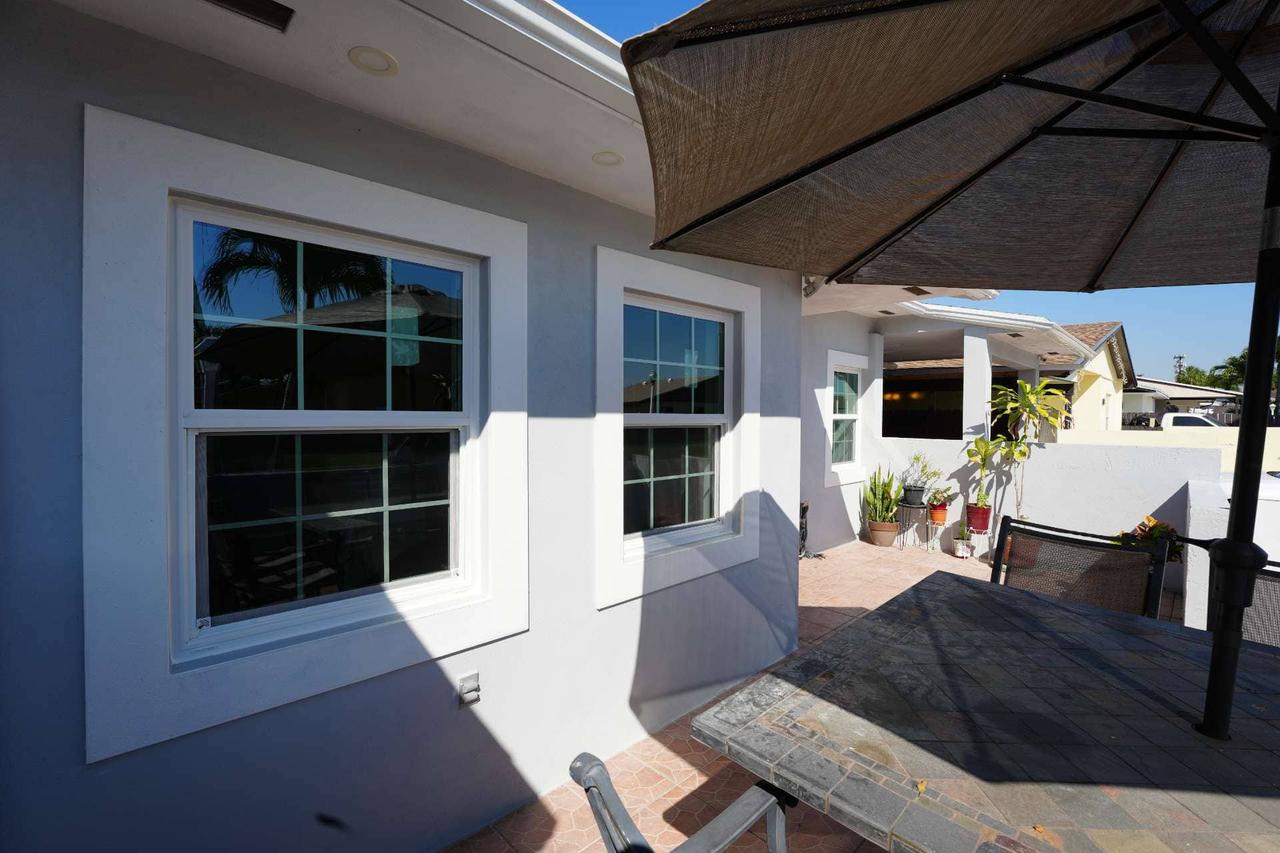
Double-hung windows: Two sashes that move independently and tilt inward for cleaning access from inside. New balance hardware keeps the sash from dropping or refusing to stay open.
Casement windows: Side-hinged panels that crank outward and press against the frame at closure. The seal engages by compression, which maintains consistent air resistance even as the frame shifts slightly over time.
Picture windows: Fixed panes with no moving parts. No hardware to wear out, no balance to fail. The sealed glass unit performs for the life of the frame.
Awning windows: Top-hinged units that open outward from the bottom. The angle sheds rain during Connecticut's wet spring and fall, so you can ventilate without closing the window first.
Sliding windows: Horizontal sashes on a track. Useful in openings where vertical operation is not practical, including over counters, in finished basements, and in narrow utility spaces.
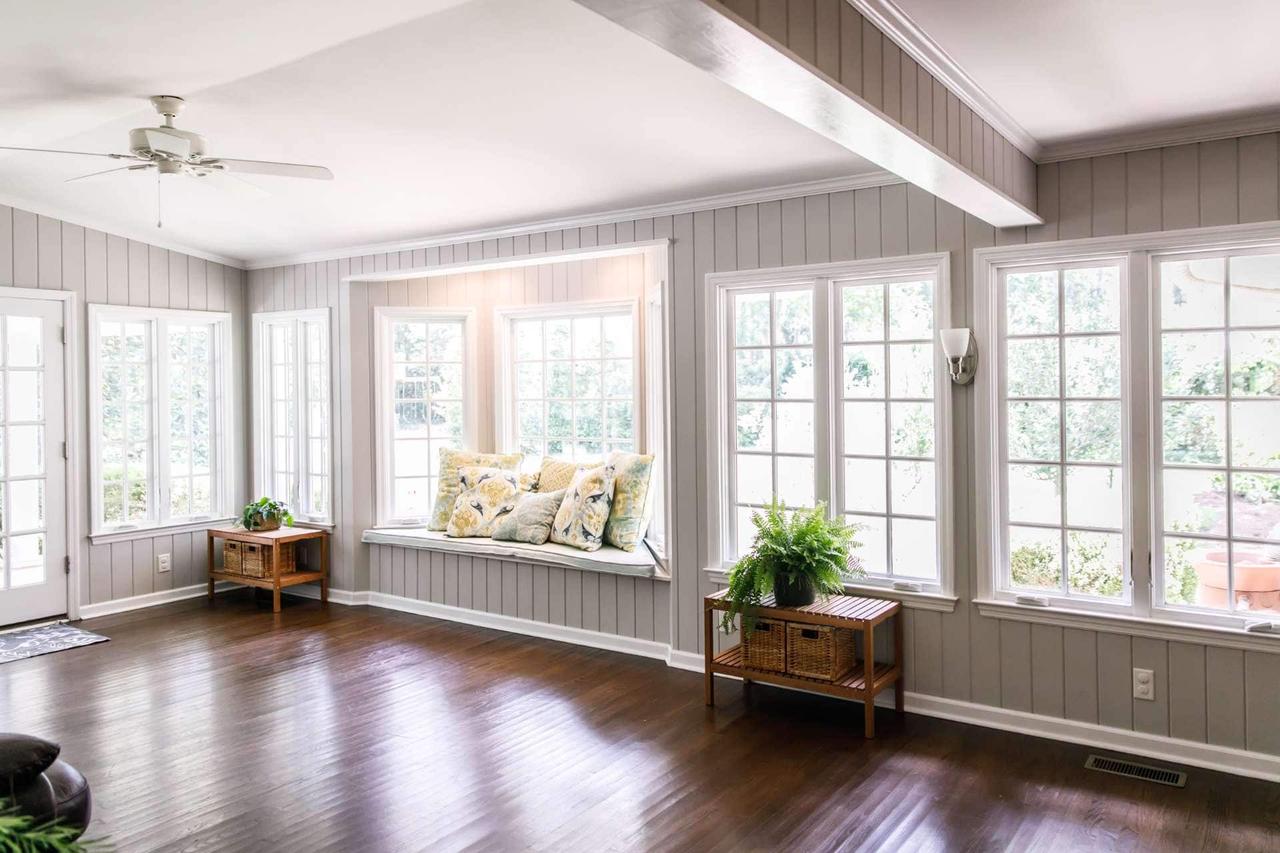
Bay windows and bow windows: Multi-panel projections that extend the wall outward to add depth and light. Bay configurations pair a fixed center pane with operable flanking units. Bow configurations use four or more panels on a curved plane for a wider field of view.
Hopper windows: Bottom-hinged units that tilt inward from the top. Commonly used in basement openings that require both ventilation and egress compliance.
Garden windows: Box projections with built-in shelves, usually installed above a kitchen sink. The three-sided glazing brings in morning light and provides a small interior shelf for plants or display.
Energy performance and materials for Connecticut homes
High-performance glass
Multi-pane insulated glass with a Low-E coating controls heat moving through the glass in both directions. This lowers your heating load in winter and helps keep conditioned air from escaping through the panes in summer. For south- and west-facing openings that carry the heaviest sun exposure, or where maximum thermal performance is the priority, triple-pane construction is available. The full range of glass options is covered on the energy-efficient windows page.
Vinyl frames
Vinyl windows hold their shape through Connecticut's humidity cycles. Wood frames absorb moisture in summer, swell, and then contract in dry winter air. Over decades, that movement shifts the frame out of square. Vinyl does not absorb moisture, does not rot, and does not need repainting when the finish degrades. The hollow chambers inside a vinyl frame also add insulation at the perimeter of the opening, beyond what the glass alone provides.
Why Connecticut homeowners choose Renuity
2025 Guildmaster Award. Based on satisfaction surveys collected from homeowners after installation is complete.
Lifetime transferable warranty. Renuity's lifetime warranty transfers once to a subsequent owner, so if you sell your home, the coverage passes to the buyer. Confirm the full transfer terms with your Renuity specialist during the consultation.
Licensed and insured installation teams. Crews work opening by opening, completing each seal and trim condition before moving on.
Free in-home estimates. The visit includes opening-by-opening measurement, an evaluation of existing frame and trim conditions, and a full walkthrough of style and glass options before any commitment is made.
How a Connecticut window project runs
Consultation. A Renuity specialist visits the home, measures every opening in scope, evaluates the condition of existing frames and trim, and walks through style and glass options before any commitment is made.
Homeowners can also ask about Renuity's bathroom remodeling in Connecticut and door installation in Connecticut during the same visit.
Fabrication. Once you confirm the configuration, every window is built to the exact dimensions of its opening. No standard-size units are forced into non-standard openings.
Installation. Crews work one opening at a time. The old window comes out, the opening is prepared, the new unit is set and sealed, and trim is completed before the crew moves to the next opening. Most whole-home projects of 10 to 15 windows finish within a few days.
Final walkthrough. The crew operates each new window with you, confirms hardware function and seal condition, and reviews warranty coverage before leaving.