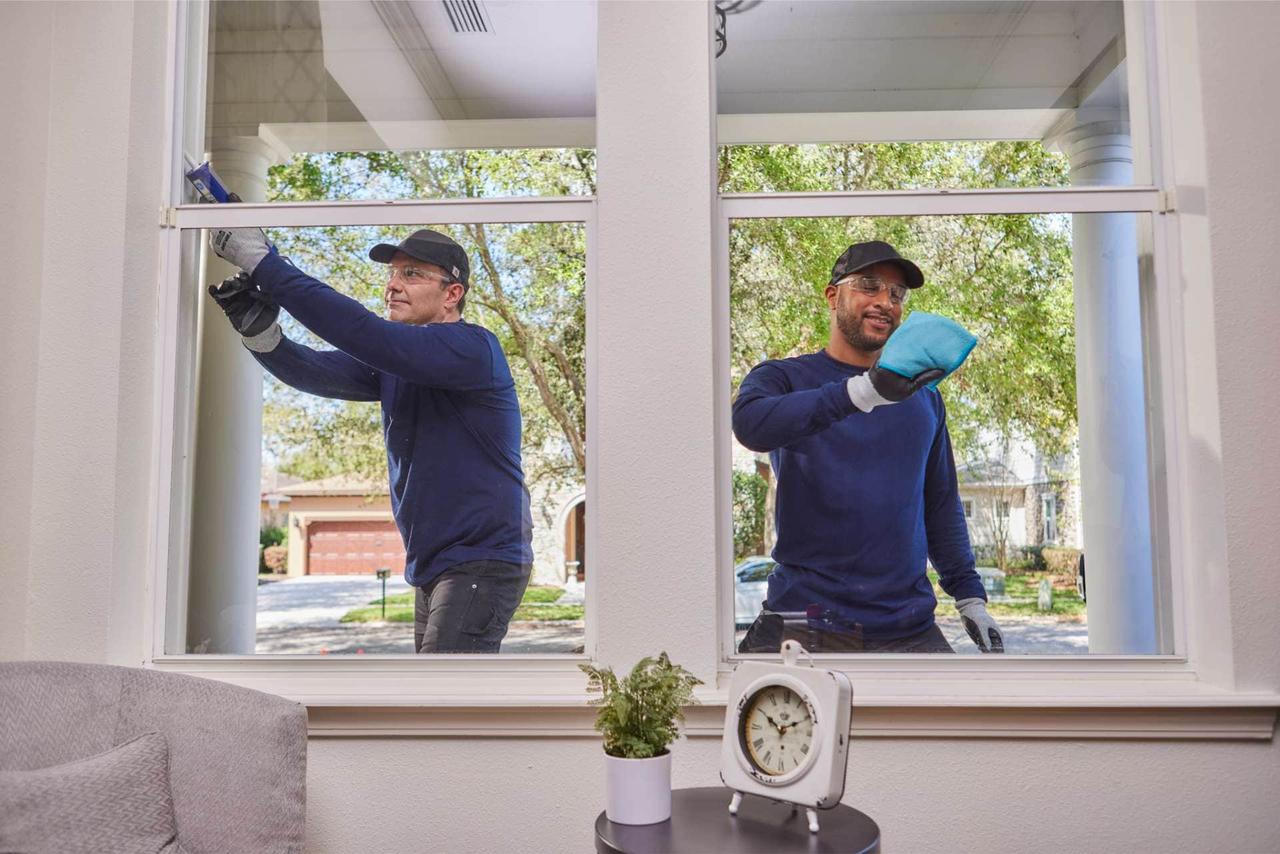
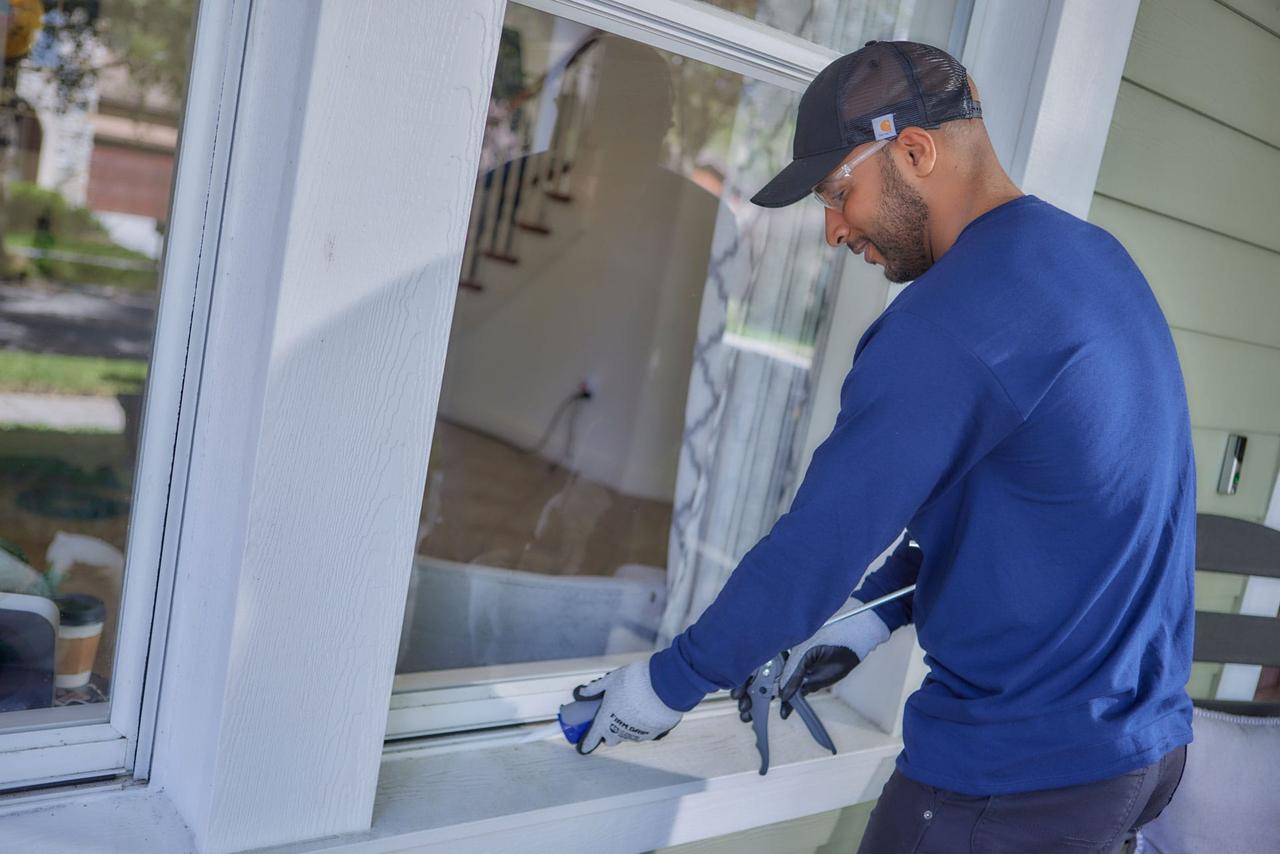
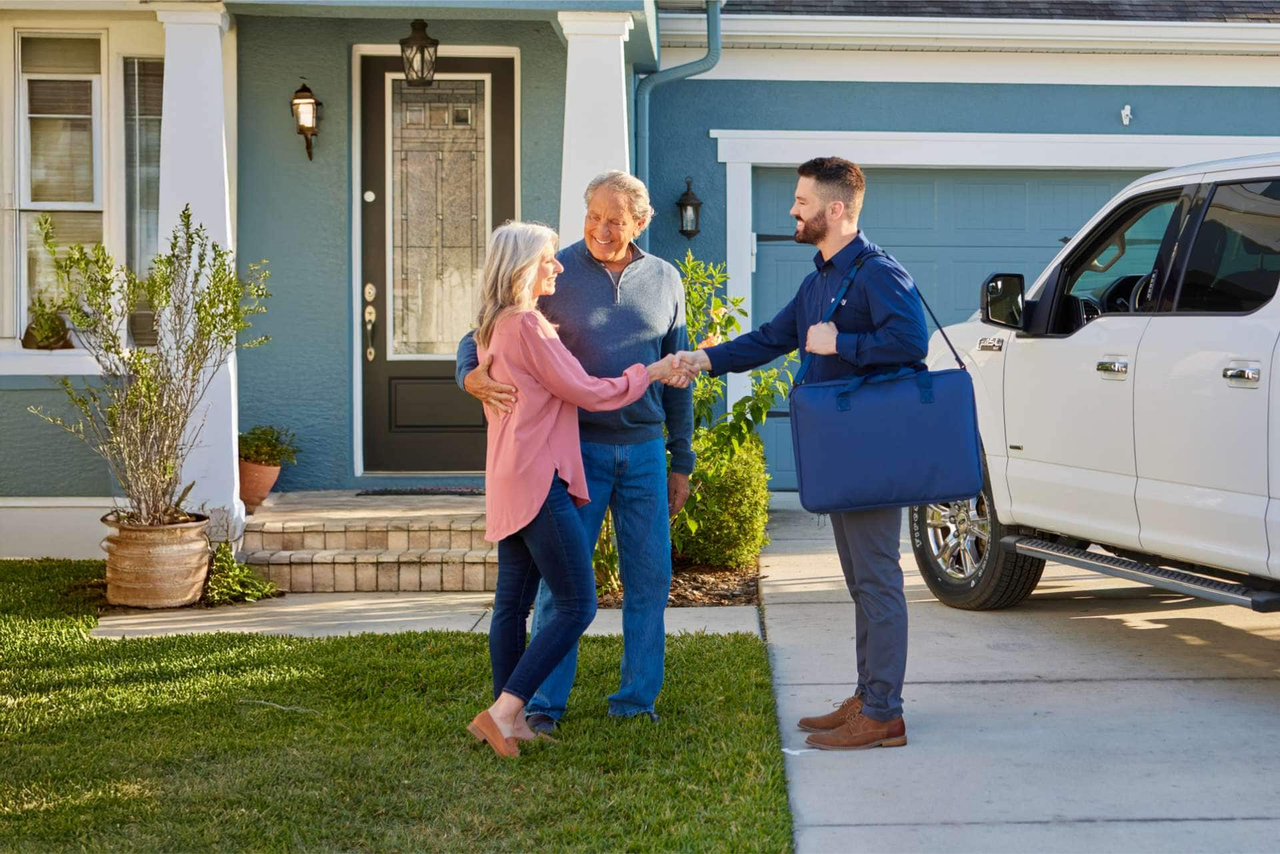
Renuity installs vinyl replacement windows across New Hampshire. Each window is built to the exact size of the opening it replaces, paired with multi-pane insulated glass that uses a low-emissivity (Low-E) coating and inert gas fill to slow heat transfer. Every project starts with a free in-home consultation. A specialist measures each opening, reviews style and glass options with you, and provides a full quote before any work is scheduled. Installation is handled by licensed and insured crews.
New Hampshire's heating season runs long and cold, and the windows that fail first usually do so at the edges rather than through the glass. The rubber seal that runs around the sash gets compressed every time the window closes. Over years of use and temperature cycling, it stops springing back to fill the gap. The result is a draft at the sill or corners that returns even after you replace the weatherstripping, because the frame geometry has shifted and the new strip is bridging a gap rather than sealing against a flush surface. A replacement window addresses the frame, sash, hardware, and sealing surface together rather than patching each component separately as it fails.
Our windows overview covers frame styles, glass packages, and ventilation options. Our window replacement page explains how full-frame projects are staged from measurement through installation.
Areas in New Hampshire we serve
Renuity serves homeowners throughout New Hampshire. The cities listed here represent a few areas where we are currently active, and our service area continues to grow. Not sure if we serve your location? Give us a call and we will let you know.
- Concord
- Exeter
- Manchester
- Nashua
- Suncook
Window styles available for New Hampshire homes
Each style is built to the exact dimensions of the opening it replaces. Every new unit brings fresh sealing surfaces, new hardware, and a factory-set perimeter seal in place of the worn original.
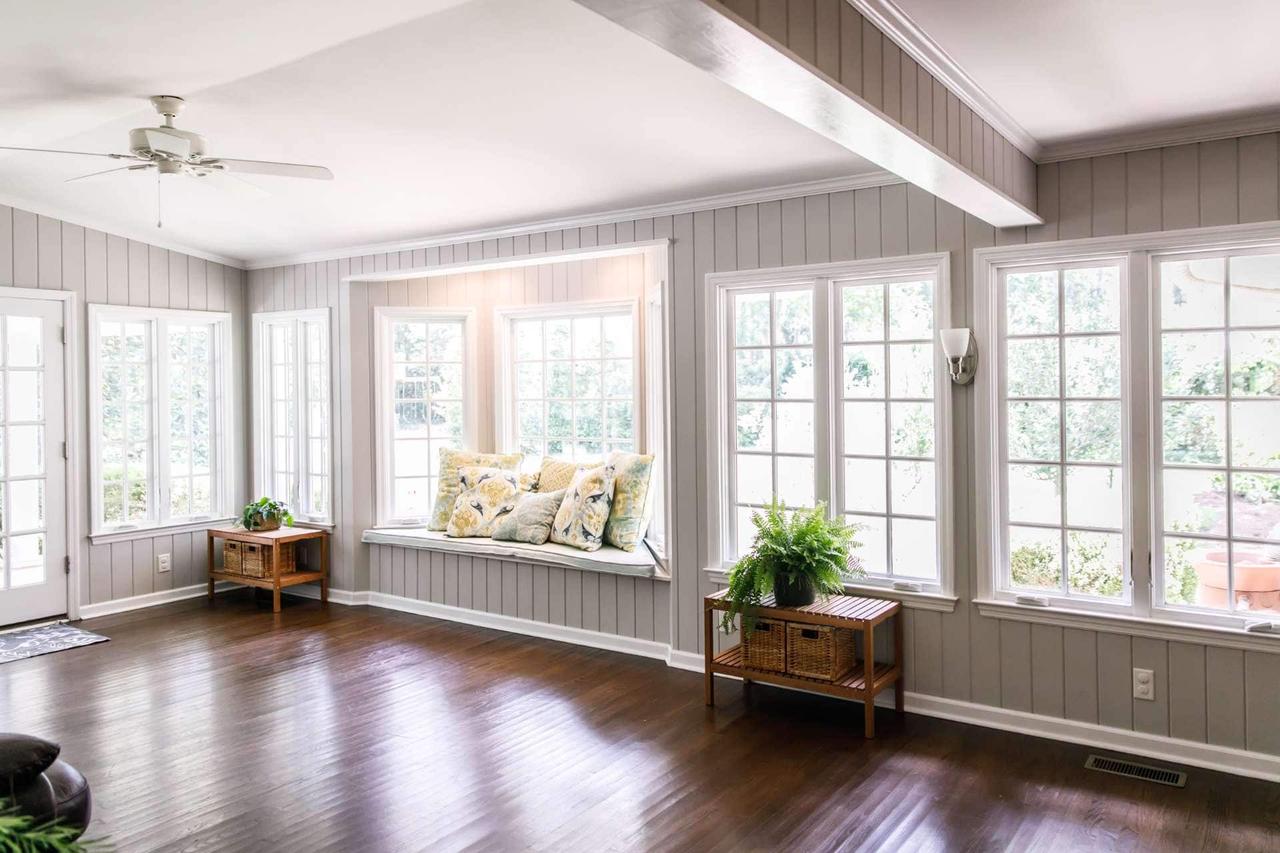
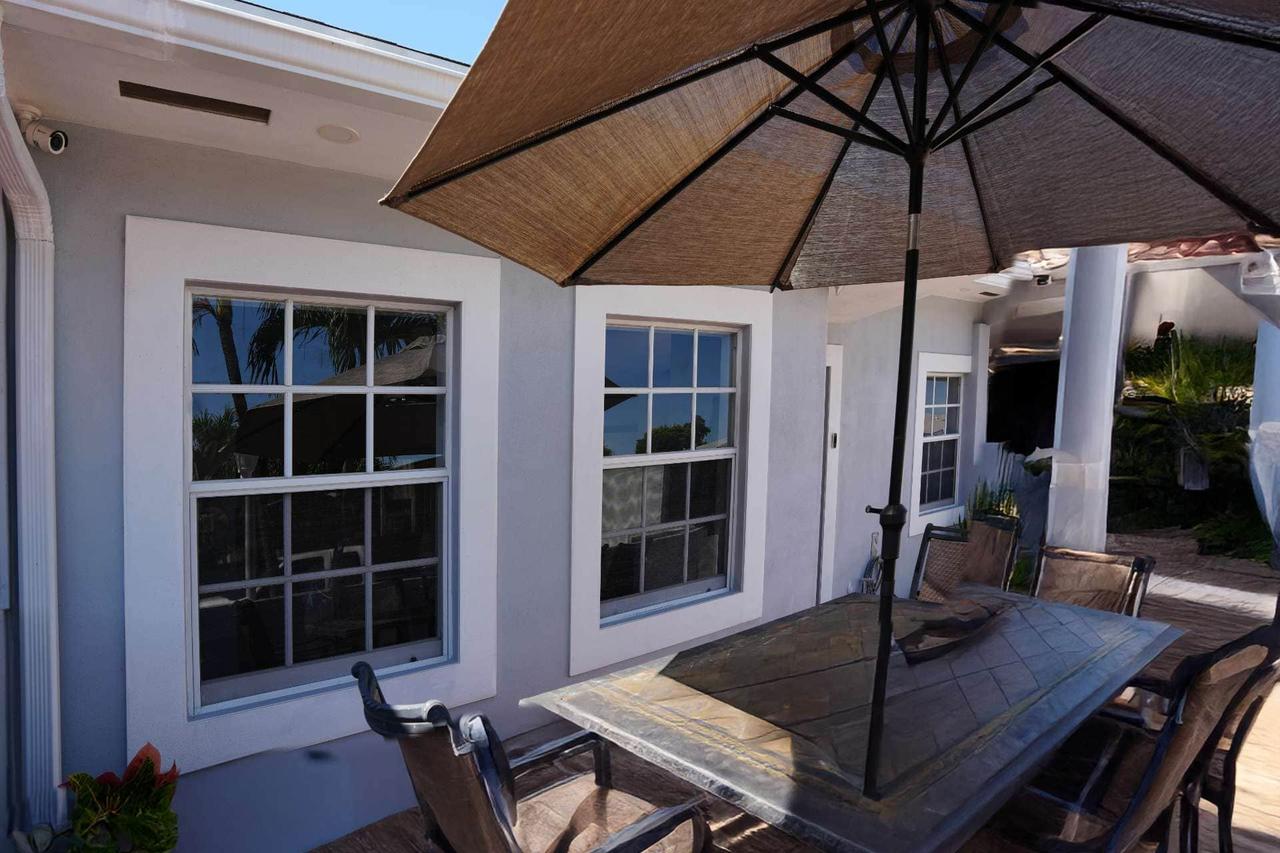
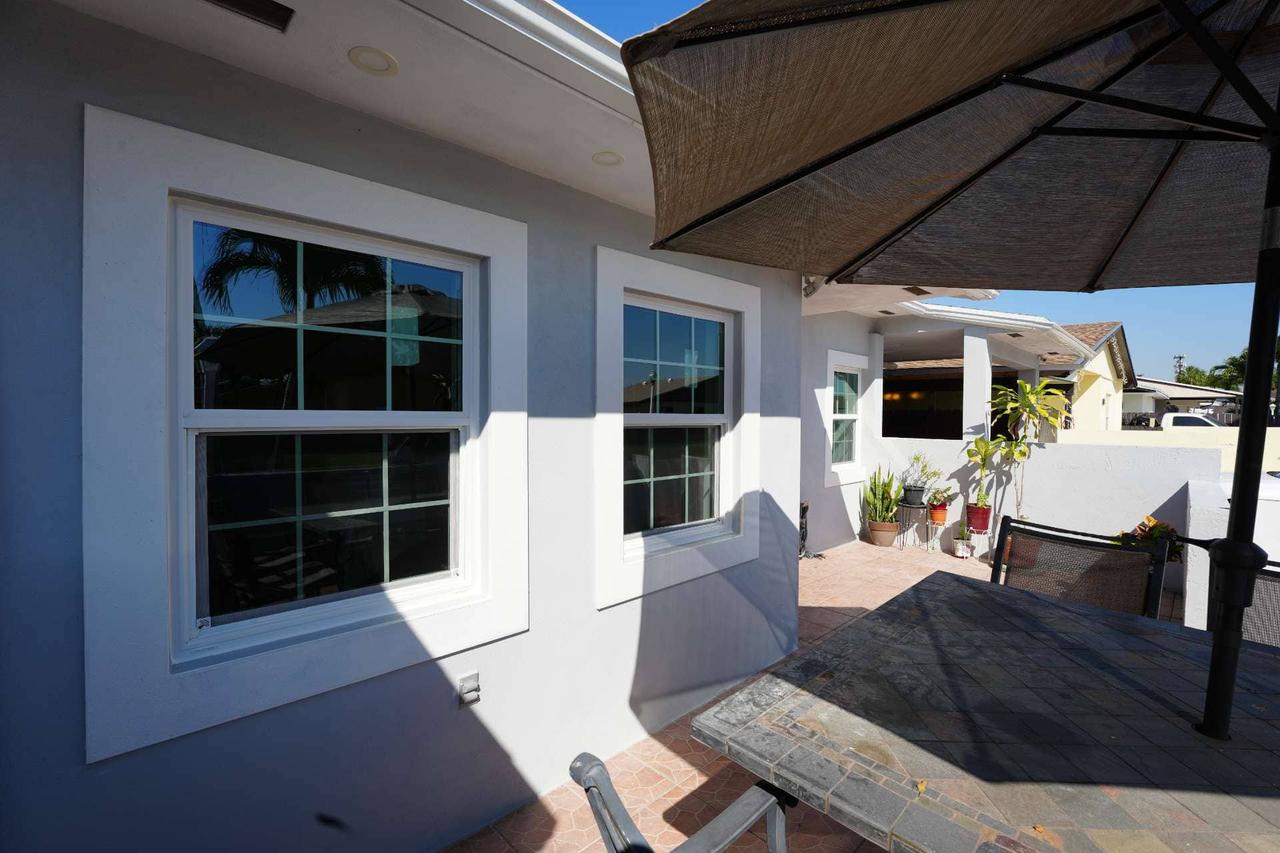
Double-hung windows: Two sashes that move independently, each with new weatherstripping that has not been compressed by years of previous use. Both sashes tilt inward for cleaning from inside the home.
Casement windows: Side-hinged panels with crank operation. The seal engages by compression each time the window closes, so it resets at every use rather than degrading progressively the way a static seal does.
Picture windows: Fixed panes with no moving parts and no weatherstripping to wear. The perimeter seal is not subjected to operational stress, which is why picture windows tend to outlast operable units installed at the same time.
Awning windows: Top-hinged with crank operation. Like casements, the seal resets at each closure. Useful in New Hampshire's shoulder seasons for controlled ventilation when the home is otherwise closed against cold.
Sliding windows: Horizontal sashes on a track. Used in basement and utility openings where vertical operation is not practical. New track hardware eliminates the binding and air gaps that develop in worn slider channels over time.
Bay windows and bow windows: Multi-panel projections that pair a fixed center pane with operable flanking units. The angled panels on a bay window face different exterior exposures, which tends to age the seals unevenly across the assembly and makes the drafting symptoms appear in one corner before the others.
Hopper windows: Bottom-hinged units that tilt inward from the top. Used in basement openings where egress compliance and seasonal ventilation are both required.
Garden windows: Three-sided box projections installed above a kitchen sink. The larger glazed surface area makes frame seal quality more consequential in cold months than a standard flat opening of the same rough size.
Energy performance and materials for New Hampshire homes
High-performance glass
Multi-pane insulated glass with a Low-E coating is the standard specification for New Hampshire's cold climate. The coating reflects heat back into the room in winter and limits how much solar heat enters in summer, which matters in a state where the heating season dominates but summer cooling still adds to energy costs. Argon gas between the panes adds insulation beyond what an air-filled unit provides. Krypton fill and triple-pane construction are available for openings where maximum thermal performance is the goal. The full range of glass options is on the energy-efficient windows page.
Vinyl frames
Vinyl windows hold their shape through New Hampshire's freeze-thaw cycles without paint failure, rot, or the sash geometry changes that come from wood absorbing moisture. The hollow chambers inside the frame add insulation at the perimeter of the opening, which reduces heat loss at the frame edge beyond what the glass provides. Vinyl also resists the salt and sand that road treatment deposits on exterior surfaces through the winter months.
Project scope
A whole-home project completed before the heating season addresses every opening before the long cold stretch begins. Partial projects targeting the worst-performing elevations are also practical and can be extended to additional openings over time. Most projects of 10 to 15 windows finish within a few days.
Why New Hampshire homeowners choose Renuity
2025 Guildmaster Award. Based on post-project satisfaction surveys collected from homeowners after installation.
Lifetime transferable warranty. Renuity's lifetime warranty transfers once to a subsequent owner, so if you sell your home, the coverage passes to the buyer. Confirm the full transfer terms with your Renuity specialist during the consultation.
Licensed and insured installation teams. Every project is handled by licensed and insured crews.
Free in-home estimates. The visit includes measurement of every opening in scope, an evaluation of existing frame and weatherstripping conditions, and a full walkthrough of style and glass options before any commitment is made.
Homeowners can also ask about Renuity's bathroom remodeling in New Hampshire and door installation in New Hampshire during the same visit.
How a New Hampshire window project runs
Consultation. A Renuity specialist visits the home, measures every opening in scope, evaluates existing frame and weatherstripping conditions, and walks through style and glass options before any commitment is made.
Fabrication. Once you confirm the configuration, every window is built to the exact dimensions of its opening. No standard-size units are forced into non-standard openings.
Installation. The old window comes out, the opening is prepared, the new unit is set and sealed, and trim is completed. Most whole-home projects of 10 to 15 windows finish within a few days.
Final walkthrough. The crew operates each new window with you, confirms hardware function and seal condition, and reviews warranty coverage before leaving.