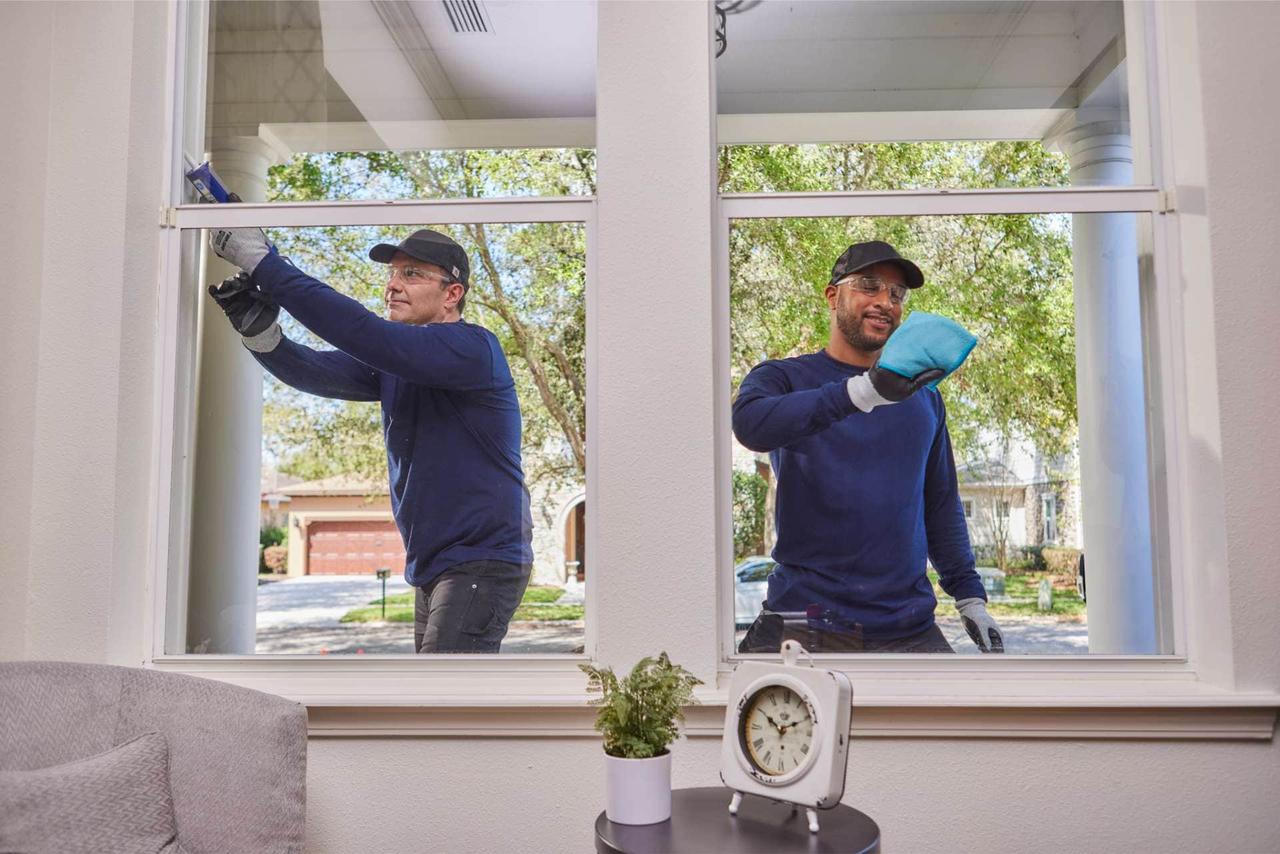
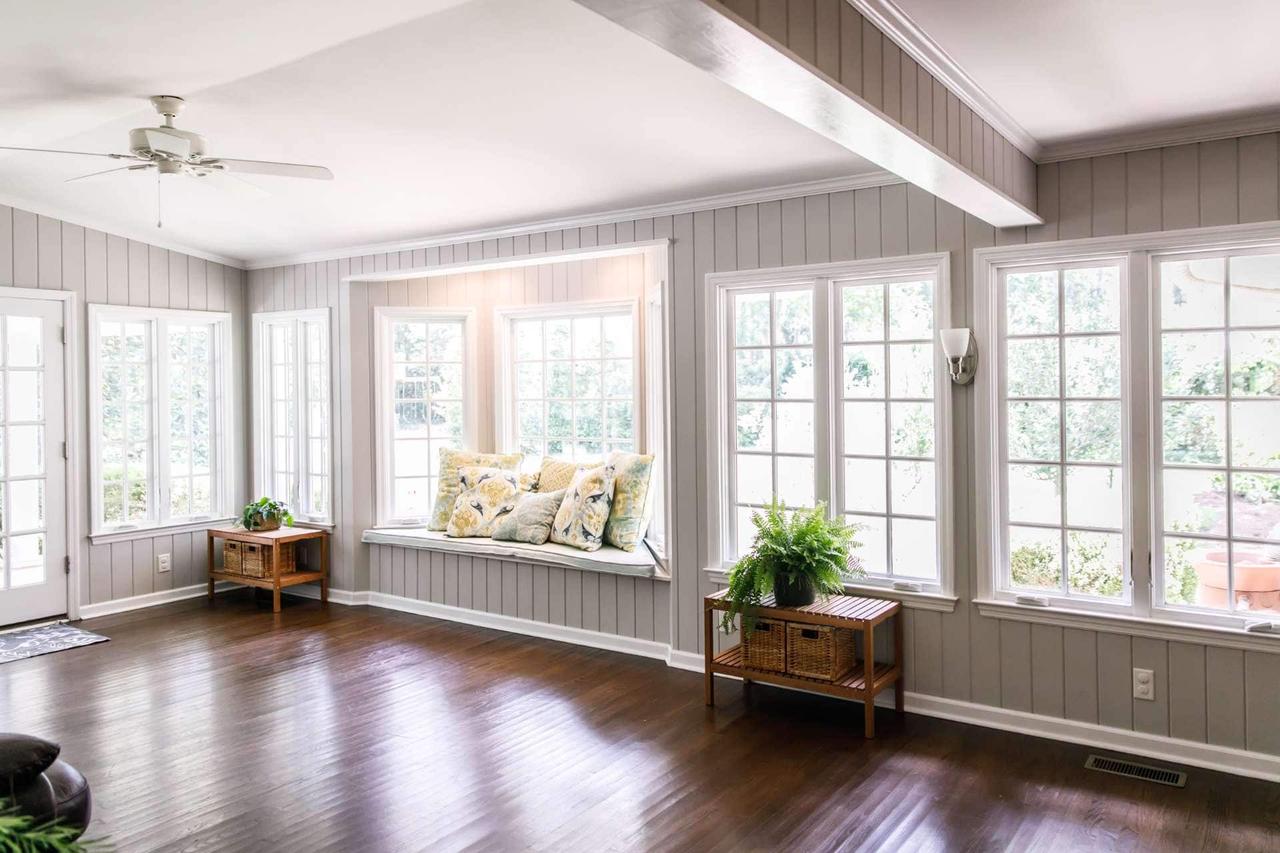
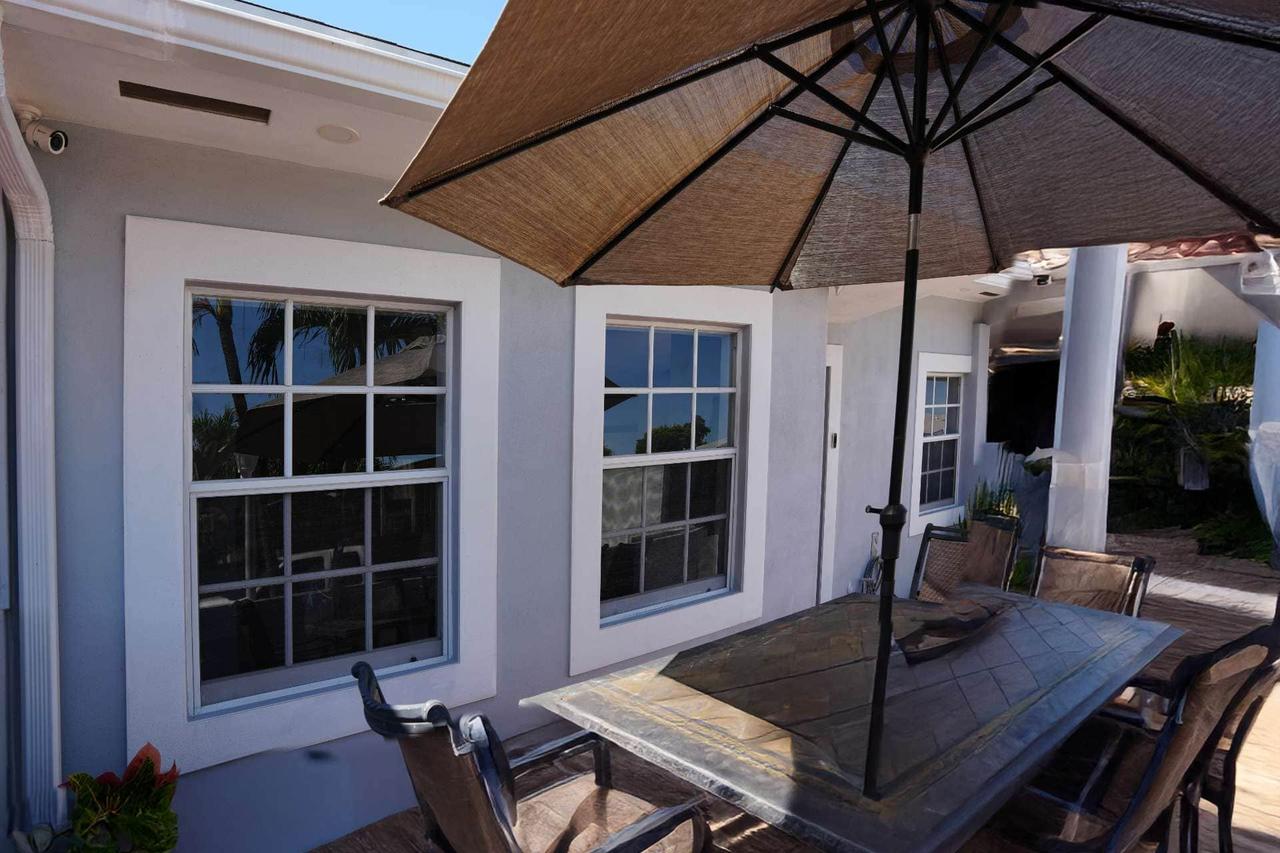
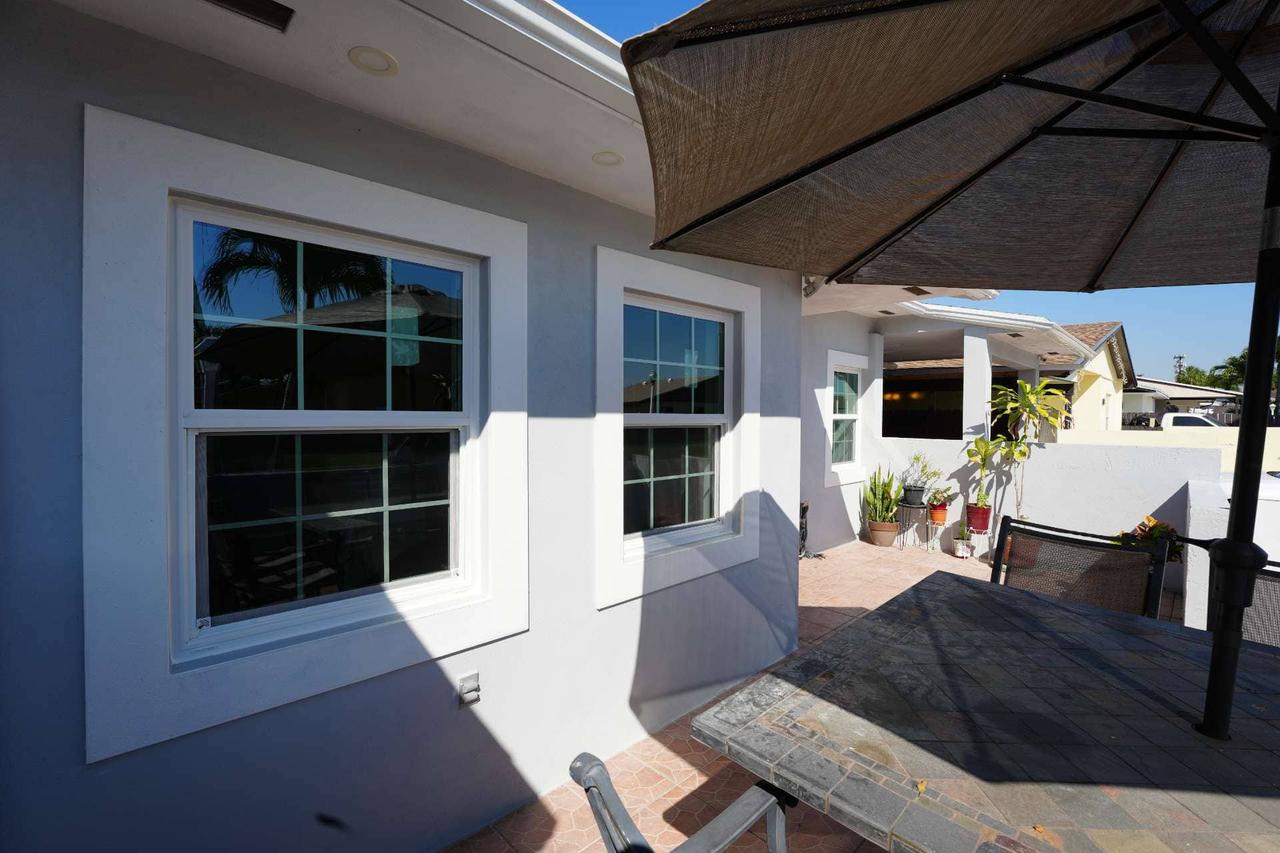
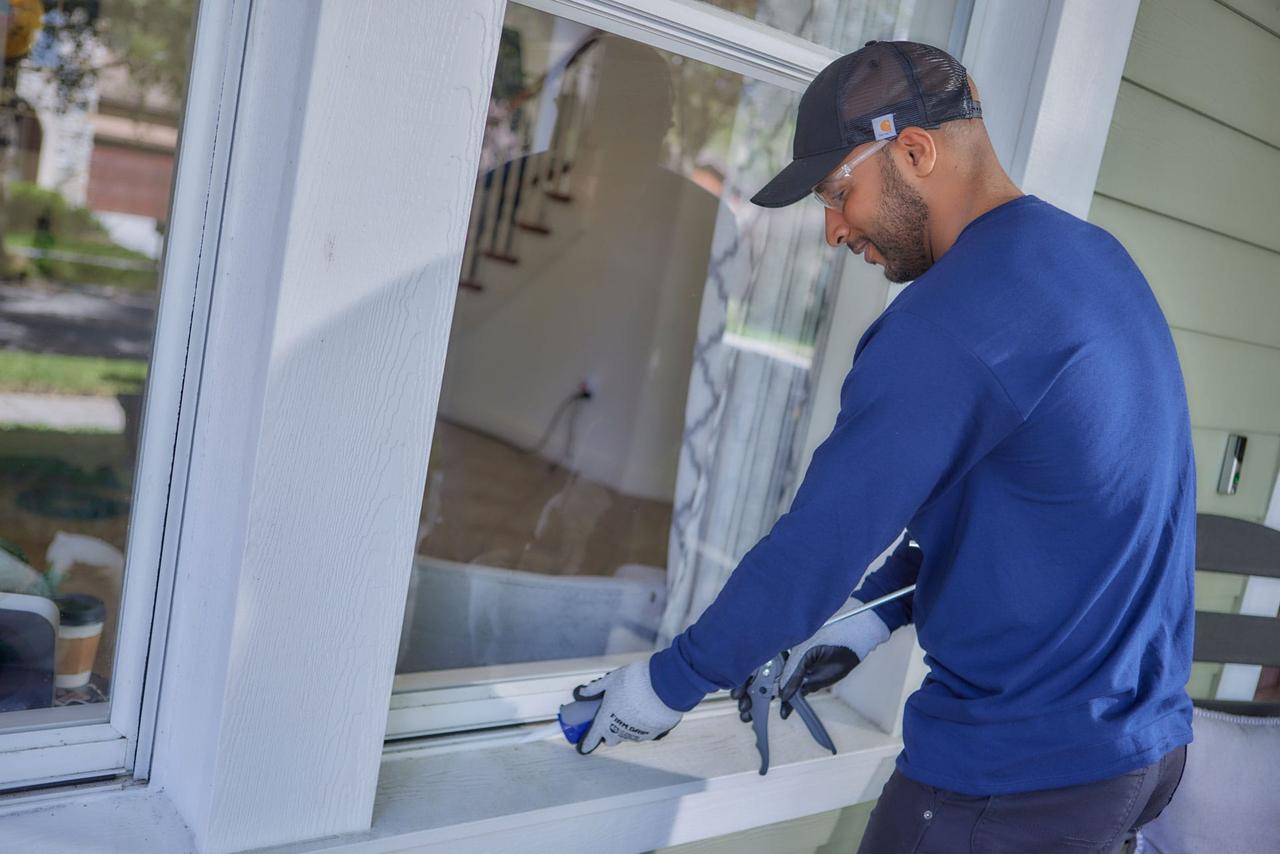
Renuity installs vinyl replacement windows across Rhode Island. Each window is built to the exact size of the opening it replaces, paired with multi-pane insulated glass that uses a low-emissivity (Low-E) coating and inert gas fill to slow heat transfer. Every project starts with a free in-home consultation. A specialist measures each opening, reviews style and glass options with you, and provides a full quote before any work is scheduled. Installation is handled by licensed and insured crews in Providence and across the state.
A large share of Rhode Island residential properties sit within a few miles of Narragansett Bay or the Atlantic coast. Salt air breaks down the rubber seal material around window sashes faster than inland conditions do. Onshore wind puts repeated pressure on frame seals that inland windows rarely experience. Together, these conditions mean windows on bay-facing and ocean-facing elevations often show drafts, pulled or cracked weatherstripping, and frame finish damage well before the product's expected service life. The failure tends to show up at the edges of the window first, as air comes in around the sash rather than through the glass.
Our windows overview covers frame styles, glass packages, and ventilation options. Our window replacement page explains how full-frame projects are staged from measurement through installation.
Window styles available for Rhode Island homes
Each style is built to the exact dimensions of the opening it replaces. Style selection depends on the room's ventilation needs, the elevation's coastal exposure, and what the opening requires.
Double-hung windows: Two sashes that move independently, each with new weatherstripping at every contact surface. On coastal-facing elevations, new perimeter seals restore the air barrier that degraded weatherstripping on aging units no longer provides.
Casement windows: Side-hinged panels that seal by compression against the frame at closure. On wind-loaded elevations facing Narragansett Bay or the coast, the compression seal holds more consistently under wind pressure than a sliding sash that relies on weatherstripping contact alone.
Picture windows: Fixed panes with a factory-set perimeter seal and no operable weatherstripping to degrade. For coastal elevations where maintaining a stable air barrier under wind pressure is the priority, picture windows provide the most stable sealing condition of any available style.
Awning windows: Top-hinged units that open outward from the bottom. The angle sheds light rain and resists spray, which makes them a practical choice for ventilation on coastal-facing walls when onshore weather passes through.
Sliding windows: Horizontal sashes on a track. Used in basement and utility openings where vertical operation is not practical given the available space.
Bay windows and bow windows: Multi-panel projections that extend the wall outward to add depth and light. On coastal elevations, the corner joints of projecting assemblies are worth close evaluation during the consultation, as they accumulate salt air exposure from multiple angles.
Hopper windows: Bottom-hinged units that tilt inward from the top. Used in basement openings where ventilation and egress compliance are both required.
Garden windows: Three-sided box projections installed above a kitchen sink. The exposed construction means weatherstripping and corner sealants on older garden windows take the same coastal wear as the primary windows on ocean-facing elevations.
Energy performance and materials for Rhode Island homes
High-performance glass
Multi-pane insulated glass with a Low-E coating controls heat moving through the glass in both directions. This matters across Rhode Island's full four-season climate, where both heating and cooling seasons are real. The coating limits solar heat gain in summer and reduces heat loss through the glass in winter. Argon gas between the panes is the standard configuration. Krypton fill and triple-pane construction are available where the highest thermal performance is the goal. The full range of glass options is on the energy-efficient windows page.
Vinyl frames
Vinyl windows hold up to salt air, humidity, and UV exposure without the painted wood frame's need for repainting or the risk of finish failure that leaves the underlying material exposed. Vinyl does not absorb moisture, holds its profile through seasonal temperature changes, and does not require refinishing. The hollow chambers inside the frame add insulation at the perimeter of the opening beyond what the glass package alone provides.
Project scope
Coastal and near-coastal properties often show uneven window condition across elevations, with bay-facing windows degraded faster than interior-facing openings. A whole-home project replaces every opening at once. A partial project can prioritize the worst-performing elevations first and be extended over time. Most projects of 10 to 15 windows finish within a few days.
Why Rhode Island homeowners choose Renuity
2025 Guildmaster Award. Based on post-project satisfaction surveys collected from homeowners after installation.
Lifetime transferable warranty. Renuity's lifetime warranty transfers once to a subsequent owner, so if you sell your home, the coverage passes to the buyer. Confirm the full transfer terms with your Renuity specialist during the consultation.
Licensed and insured installation teams. Every project is handled by licensed and insured crews.
Free in-home estimates. The visit includes measurement of every opening in scope, an evaluation of existing frame and weatherstripping conditions, and a full walkthrough of style and glass options before any commitment is made.
Homeowners can also ask about Renuity's bathroom remodeling in Rhode Island and door installation in Rhode Island during the same visit.
How a Rhode Island window project runs
Consultation. A Renuity specialist visits the home, measures every opening in scope, evaluates existing frame and weatherstripping conditions with attention to coastal-exposure elevations, and walks through style and glass options before any commitment is made.
Fabrication. Once you confirm the configuration, every window is built to the exact dimensions of its opening. No standard-size units are forced into non-standard openings.
Installation. The old window comes out, the opening is prepared, the new unit is set and sealed, and trim is completed. Most whole-home projects of 10 to 15 windows finish within a few days.
Final walkthrough. The crew operates each new window with you, confirms hardware function and seal condition, and reviews warranty coverage before leaving.